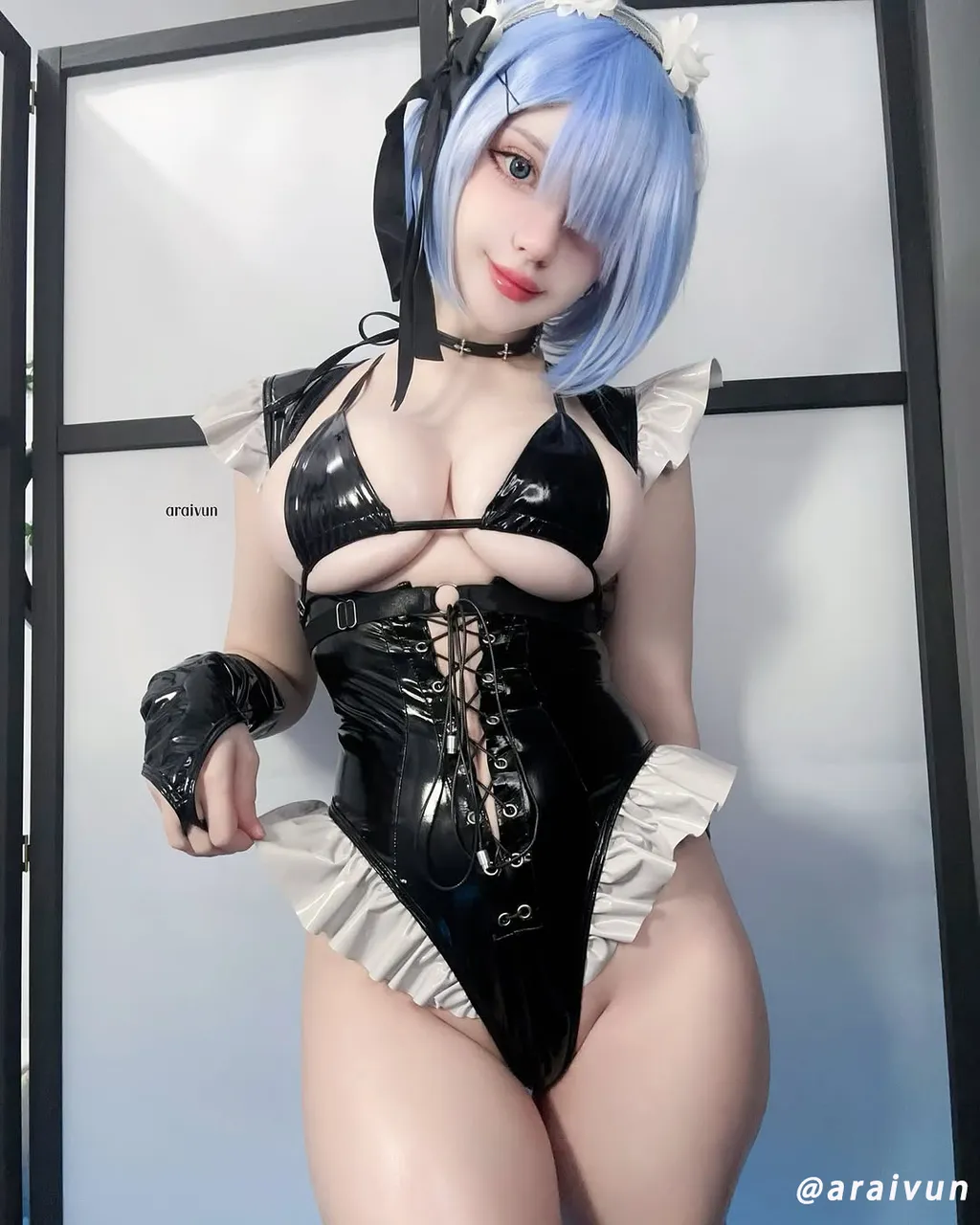
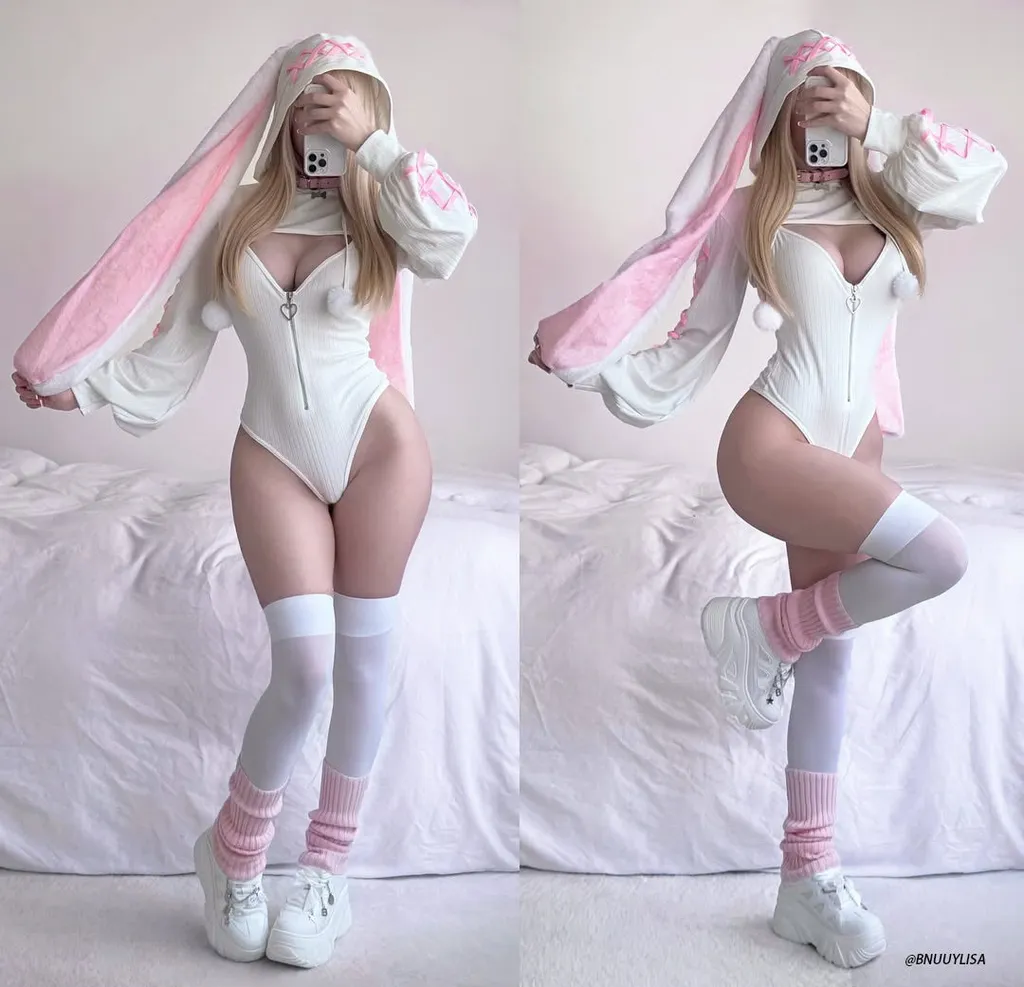
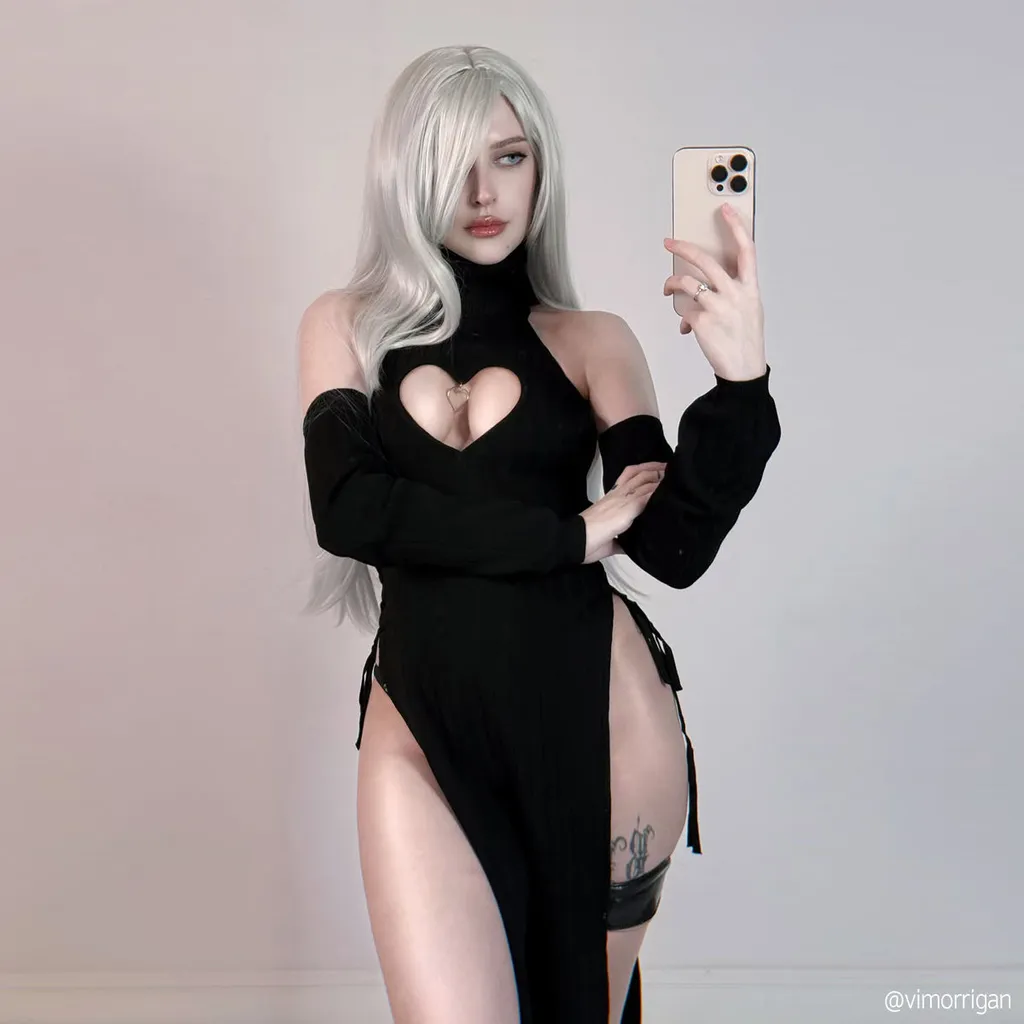
Cosplay (コスプレ, kosupure) is the practice of dressing as a fictional character — most often from anime, manga, video games, comics, or film — and inhabiting that character at conventions, photo shoots, and online. The word is a Japanese contraction of “costume play”, credited to reporter Nobuyuki Takahashi around the 1984 World Science Fiction Convention in Los Angeles. The practice itself is older than the noun: the costume tradition at sci-fi conventions traces back to the 1939 Worldcon in New York.
This page is the pillar guide we wish we’d had when we started auditing cosplay listings end-to-end. It covers the working cosplay definition, the etymology, a short cosplay history, what cosplay encodes that costume and fancy dress do not, the three pillars of modern practice, how cosplay works in real life (sourcing, fitting, conventions), how the scene varies by country, and where to start without getting scammed. No marketing copy. Named partners. Material reality.
Cosplay Meaning: The Working Definition
Cosplay is the public performance of a fictional character through outfit, accessory, pose, and shared context. Three elements are load-bearing:
- A named source character. Not “a witch” in general — Yor Briar from Spy x Family, Raiden Shogun from Genshin Impact, Frieren from Frieren: Beyond Journey’s End. The character’s name is part of the deliverable.
- Silhouette fidelity. The outfit reads as that character from across a hall, before any verbal confirmation. Cut, palette, signature accessory carry the recognition load.
- A community context. Conventions, photo shoots, online posts, dedicated sub-communities. Cosplay performed in private only is rare — the practice is built around being seen and named.
The Oxford English Dictionary added “cosplay” in 2008, defining it as “the practice of dressing up as a character from a film, book, or video game, especially one from the Japanese genres of manga or anime”. That definition holds, with the modern footnote that source media now includes mobile games (Honkai: Star Rail, Fate/Grand Order), V-Tubers (Hololive, Nijisanji), original characters from indie illustrators, and even cosplay-of-cosplayers (recreating a famous cosplayer’s interpretation, with credit).
Cosplay Etymology: How a Word Coined in Japan Went Global
A short cosplay history clarifies what the word actually encodes. The word コスプレ (kosupure) is a wasei-eigo contraction — a Japanese coinage built from English roots, like salaryman or karaoke. Credit for the contraction conventionally goes to Nobuyuki Takahashi, a Japanese reporter and Studio Hard editor who covered the 1984 World Science Fiction Convention (Worldcon, held in Los Angeles that year, also known as L.A.con II) for Japanese sci-fi magazines. Takahashi watched American fans walking the convention floor in elaborate outfits and reported the practice back to Japan under the new contraction.
The English costume tradition Takahashi observed was already 45 years old by then. The 1939 World Science Fiction Convention in New York is widely cited as the first costumed sci-fi convention appearance — Forrest J. Ackerman and Myrtle R. Douglas (“Morojo”) arrived in matching “futuristicostumes” inspired by the 1936 film Things to Come. That single appearance seeded a tradition that the 1960s and 1970s Worldcons formalised through the masquerade ball — a costumed parade competition that still runs at major sci-fi conventions today.
In Japan, the practice landed on receptive ground. Comic Market (コミックマーケット, Komiketto or Comiket) had launched in December 1975 as a doujinshi (self-published manga) marketplace; by the mid-1980s it had grown into a costume hub. Anime conventions like Yamato no Kai and the early Tokyo-based studio events were already drawing fans in handmade outfits of Mobile Suit Gundam (1979), The Rose of Versailles (1979), and Lupin III (1971). Takahashi’s word gave that practice a name. By the early 1990s, kosupure had crystallised in Japanese media; by the late 1990s, the loanword “cosplay” had crossed back into English-language fandom press, and by the 2000s the SciFi.com and AnimeExpo coverage had locked the term as global.
Two things to note that often get garbled in popular accounts:
- Takahashi did not invent the practice — Worldcon costuming predates his coverage by 45 years. He named it for a Japanese-language audience, and the name stuck globally.
- The English source phrase is “costume play”, not “costume + cosplay” or “costume player”. The Japanese contraction shortens both words to their first two morae: KOSU (コス, from “costume”) + PURE (プレ, from “play”).
For the Japanese-language reader, the standard reference work is Yasuhiko Kamei’s コスプレ文化史 (Cosplay Bunkashi, “A Cultural History of Cosplay”), which traces the practice across Japanese fandom from the 1970s. Western academic coverage is thinner; Henry Jenkins’s Textual Poachers (1992) and Theresa Winge’s essays in Mechademia (2006 onward) cover cosplay’s diffusion into Western fan studies.
Cosplay vs. Costume vs. Fancy Dress: What the Terms Encode
The four practices below overlap on the surface — non-everyday clothing, worn in public, for a non-everyday reason — but encode different intent, audience, and craft expectations.
| Practice | Source | Audience | Craft bar | Typical budget per piece |
|---|---|---|---|---|
| Cosplay | Named fictional character (anime, game, comic, film) | Fans who recognise the source | High silhouette fidelity, pose work, accessory | 80-400 EUR |
| Halloween costume | Seasonal archetype (witch, vampire, generic anime) | Generalist Halloween crowd | Low — instant readability matters more than fidelity | 15-40 EUR |
| Fancy dress (UK) | Themed party brief (1920s, neon, pirates) | Party hosts and guests | Theme-readable, low fidelity expected | 20-60 EUR |
| LARP costume | Original character within a written scenario | Game participants and game masters | Functional for hours of physical roleplay, less photo-led | 100-500 EUR |
Cosplay’s distinguishing markers are character fidelity and audience knowledge. A Demon Slayer Nezuko cosplay assumes the viewer recognises Nezuko by silhouette — the bamboo gag, the pink-checked kimono, the orange-tipped hair — and rewards that recognition with pose work and a photo set. A Halloween Nezuko-shaped outfit at a generalist party rewards none of that, because the audience is reading “anime girl” at best, not “Nezuko from Demon Slayer”.
The cosplay community also recognises specific sub-practices that overlap with the above but stay inside cosplay’s frame:
- Crossplay — cosplaying a character of a different gender than the cosplayer.
- Genderbend — reinterpreting a canon character in a different gender (Genderbent Naruto, Lady Loki).
- Original character cosplay — performing a character of one’s own design within an established fictional universe.
- Cosplay couture — high-craft interpretations that prioritise editorial aesthetics over canon fidelity (often photographed in studio).
- Casual cosplay (or cazsplay) — character-referenced everyday wear, no full transformation, often worn outside conventions.
The Three Pillars of Modern Cosplay
Modern cosplay practice rests on three load-bearing pillars. Drop one and the practice collapses into adjacent costume territory.
Pillar 1 — Silhouette fidelity
The outfit must read as the named character from 10 metres away, before any verbal confirmation. Silhouette is the deliverable; texture and detail are secondary. A Raiden Shogun cosplay with the wrong purple-magenta-black palette or the wrong hair-shape misses the read, no matter how much detail work was put into the embroidery.
Silhouette fidelity is what factory-built cosplay-from-brands optimises for: pattern cuts, signature colour blocking, the one or two accessories that carry recognition (a sword, a hat, a hair-piece). The named partner brands on the cosplay-lingerie and dark-femme segments — Korura Club for the demonic / nurse / bunny / maid archetypes, larger generalist houses like UWOWO for licensed character pieces — have built their reputations on this pillar specifically.
Pillar 2 — Character work
Once the silhouette reads, the cosplayer carries the character through pose, accessory placement, expression, and (at higher levels) voice and gesture. A static cosplay holds up in studio photography; a moving cosplay carries the character through a convention day.
Character work is what separates a 200-EUR bought outfit photographed flat on a hanger from the same outfit transformed into a believable Frieren shot under cold morning light at Villepinte. The craft is learned through reference: watching the source anime in slow motion, screenshotting key poses, rehearsing 5-10 signature stances before the convention.
Pillar 3 — Community practice
Cosplay is performed publicly. The community is the audience — at conventions (Japan Expo, Comiket, San Diego Comic-Con, MCM, Anime Expo), at organised photo shoots, on Instagram and TikTok, on cosplay platforms (Cosplay.com, Cure WorldCosplay), in Reddit threads (r/cosplay, r/cosplaygirls), on Discord servers built around source franchises.
Without community, the practice loses its frame. Cosplay alone in front of a mirror, never photographed and never shared, drifts back toward generic costuming. The three pillars hold together: silhouette earns the recognition, character work earns the engagement, community practice earns the existence of the practice itself.
How Cosplay Works in Practice
Every cosplay piece travels through roughly the same workflow, from idea to convention floor.
1. Source pick
The cosplayer picks a character. Common drivers: a current-season anime release (Demon Slayer Hashira Training in spring 2024, Frieren in winter 2023-24, Solo Leveling in 2024-25), a long-running game (Genshin Impact, Honkai: Star Rail, Final Fantasy XIV), a personal canon (a comfort character revisited every few years), or a convention theme.
2. Sourcing
Three routes coexist: buy from a vetted partner brand (the route Cosplay Drop is built around), commission from a hand-craft cosplayer or atelier (1,000-5,000 EUR for high-end commissions, 8-20 week lead times), or self-craft from patterns and fabric.
For the buy route, the central decision is named partner vs marketplace knockoff. AliExpress and DHGate carry the largest catalogues at the lowest prices but the photo-to-reality gap is often large — a 35 EUR listing photographed against the official anime key art typically arrives in a thinner fabric, with sizing that does not match the chart, and a 4-6 week shipping window. The named indie houses (Korura Club for cosplay-lingerie, UWOWO for licensed costumes, EZcosplay and Procosplay for higher-end character pieces, Mikku Co. and Hangar-X as scene-known references in the demonic / latex segments) carry verifiable sizing charts, on-site customer reviews, and shorter shipping windows, at 2-4x the price.
3. Fitting
A cosplay piece arrives, gets tried on, and almost always needs a fitting pass. Common adjustments: hem length, bodice darts, sleeve length, the chest fit on a structured top. The factory cosplay houses cut for an average body — the cosplayer’s body is rarely average.
For the cosplay-lingerie segment specifically, sizing tolerance is tighter than for outerwear cosplay. Stretchy fabrics (PU leather, polyester knit, latex) forgive ±2 cm at most; once outside that range, the silhouette breaks. Inclusive size ranges (XS-3XL, as Korura offers across 100 percent of its references) are still rare in the segment — most factory cosplay tops out at L or XL.
4. Wig
A character wig is non-optional for nearly every anime / game cosplay. Synthetic fibre at 60-130 EUR (Arda Wigs at the upper end, Epic Cosplay Wigs in the mid range, generic Aliexpress in the 25-50 EUR floor with high variance), or hand-styled / lace-front pieces at 200+ EUR for character-faithful styling. The wig-fitting guide we published earlier this year covers the buying decision in depth at How to Choose Your First Cosplay Wig.
5. Accessory and weapon
Most cosplay characters carry a signature object — a sword, a staff, a card deck, a stuffed companion. Convention regulations matter: real metal is prohibited at every major Western convention; foam and resin replicas pass peace-bonding at the entry. Builds are typically EVA foam (cosplayer-craft) or resin-cast (commercial replicas, 40-200 EUR depending on character).
6. The convention or shoot
The convention day is where the work pays off. The Cosplay Drop convention guide for Japan Expo 2026 covers the wearing-day logistics — water, talc for skin friction, polish for shiny materials, the unwritten cosplayer etiquette around photo requests and rest spaces. The dedicated cosplay shoot (photographer-led, 90-180 minutes, 80-250 EUR for a session) is the alternative production track for cosplayers focused on online portfolios rather than convention presence.
7. Care and storage
A factory cosplay piece treated correctly lasts 4-5 years across dozens of wears. Treated poorly, it lasts six months. The material-specific care guides that govern this are covered in the Latex Cosplay 101 playbook for latex pieces and the relevant sub-sections of each partner brand’s care notes.
Cosplay Around the World
The practice is global but the scene shape varies sharply by country.
Japan — origin and largest scene
Comic Market (Comiket) at Tokyo Big Sight remains the world’s largest cosplay event, drawing over 500,000 attendees per edition across summer and winter sessions. Wonder Festival, AnimeJapan, and the regional events round out the calendar. Japanese cosplay culture leans toward hand-craft prestige (the high-end cosplayer studios produce work indistinguishable from professional film costume departments), polite photo etiquette (always ask before shooting, follow the cosplayer’s designated zones), and a strong sub-scene around lingerie / role-play / otome (lady’s romance) archetypes that Cosplay Drop’s founding partner Korura Club is built around.
United States — mass-market and IP-licensed
San Diego Comic-Con (~135,000) and Anime Expo Los Angeles (~110,000) anchor the US scene, with Dragon Con Atlanta, Otakon Washington DC, and Anime NYC as the other top draws. US cosplay leans more toward Western IP — Marvel, DC, Star Wars, video-game franchises — than the Japan-led anime cosplay that dominates Asia. The fan-craft community is strongest in the US; the largest licensed brands (UWOWO, EZcosplay) ship their global catalogues primarily to American buyers.
France — Europe’s largest
Japan Expo at Paris-Nord Villepinte (over 250,000 visitors per edition, every July) is Europe’s biggest event and the second-largest manga-themed convention worldwide after Comiket. Paris Manga, Made in Asia (Brussels), and the regional FACTS (Ghent) round out the French-language calendar. French cosplay culture sits between the Japanese craft-prestige model and the US mass-market model — a strong indie hand-craft community alongside a growing factory-buy segment.
United Kingdom — convention chain
MCM Comic Con runs editions in London, Birmingham, Manchester, Liverpool, and Glasgow, drawing ~130,000 across the year. London Comic Con specifically draws ~75,000 over its three days at ExCeL. The UK scene blends manga, comics, and gaming evenly, with a particularly strong cosplay sewing-circle culture.
Germany, Italy, Spain — growing
Dokomi (Düsseldorf), Lucca Comics (Italy, ~300,000 over five days, technically Europe’s largest comics-themed event), Salón del Manga (Barcelona) anchor continental Europe’s expanding scenes. The German wig-cosplay sub-segment specifically has been growing fast — cosplay perücke is one of the lowest-difficulty cosplay-keyword opportunities in Europe.
South Korea and South-East Asia — distinct character mix
The Korean scene (DICON, Comic World Seoul) leans into Japanese anime characters at unexpected density — Demon Slayer, One Piece, Evangelion, Naruto dominate, contrary to the popular assumption that Koreans favour K-pop cosplay. Indonesia, the Philippines, and Thailand each host major regional events with several hundred thousand combined annual attendees.
Online — the second scene
A meaningful share of all cosplay activity now happens online-only. Instagram, TikTok, X, Reddit (r/cosplay, r/cosplaygirls — over 6 million combined subscribers), Cosplay.com, Cure WorldCosplay aggregate cosplayers across every country. Online-first cosplayers build careers without attending conventions, monetising through Patreon, Fanbox, OnlyFans (for the adult-cosplay segment), and brand collaborations.
Where to Start in Cosplay
A first cosplay is a controlled experiment, not a commitment. The path that works for most newcomers:
1. Pick one character you already love
Not “anime girl” — Yor Briar from Spy x Family. Marin Kitagawa from My Dress-Up Darling (the canonical “newcomer to cosplay” anime, watchable as a quick primer). Nezuko from Demon Slayer. Frieren. A bias toward a character with a simple silhouette and a strong colour signature lowers the difficulty bar; Yor’s red-black palette, the Marin schoolgirl shape, the Nezuko pink-checked kimono are all forgiving entry choices.
2. Decide on one archetype, not a wardrobe
A first cosplay is a single complete outfit, one wig, one signature accessory, photographed once. Avoid building three half-finished cosplays in parallel — finish one, learn the workflow, then expand.
3. Buy vetted, not cheapest
The 25 EUR AliExpress listing photographed against the official key art is almost never the same garment that arrives. The 80-180 EUR named-partner equivalent has verifiable sizing, on-site customer reviews, and a shipping window measurable in days rather than weeks. The named entry-level archetypes we currently vet sit on the anime cosplay collection and the Korura Club partner page, with the maid, bunny, schoolgirl, and demon archetypes covered.
4. Wig matters more than the outfit
A perfect outfit under a bad wig reads as costume; an average outfit under a hand-styled wig reads as cosplay. Budget at least one-third of the total spend on the wig. The Cosplay Drop wig-buying guide covers the fibre, density, and lace-front decisions.
5. First convention or first shoot — pick one
Convention-first: cheaper, social, lower portfolio output, requires confidence in crowds. Shoot-first: more expensive (photographer fee), private, higher portfolio output, requires confidence in front of a camera. Most cosplayers do convention-first for the first piece, shoot-first from the second or third piece onward once a portfolio target is clear.
6. Care from day one
A first cosplay treated correctly is a first cosplay you still wear three years from now. The material-specific care notes (latex, PU leather, knit, polyester) are non-negotiable once the piece arrives — see the dedicated Latex Cosplay 101 playbook for the latex / PU adjacent segment, and each partner brand’s care section for the rest.
The single most common newcomer mistake is the inverted one: spending 25 EUR on a marketplace knockoff, having it arrive wrong, getting discouraged, and concluding cosplay “isn’t for them” — when what wasn’t for them was the supply chain. A vetted entry-level archetype at 150-200 EUR has a markedly different first-piece experience.
Cosplay Drop is a multi-brand cosplay affiliation site. We link direct to the partner brand’s official checkout with full disclosure (see /affiliate for the AI-content and commission disclosure). The catalog starts at 15 vetted pieces with Korura Club (May 2026) and grows incrementally as more verified partners onboard. This pillar guide is intentionally evergreen — substantive edits will be logged at the bottom.