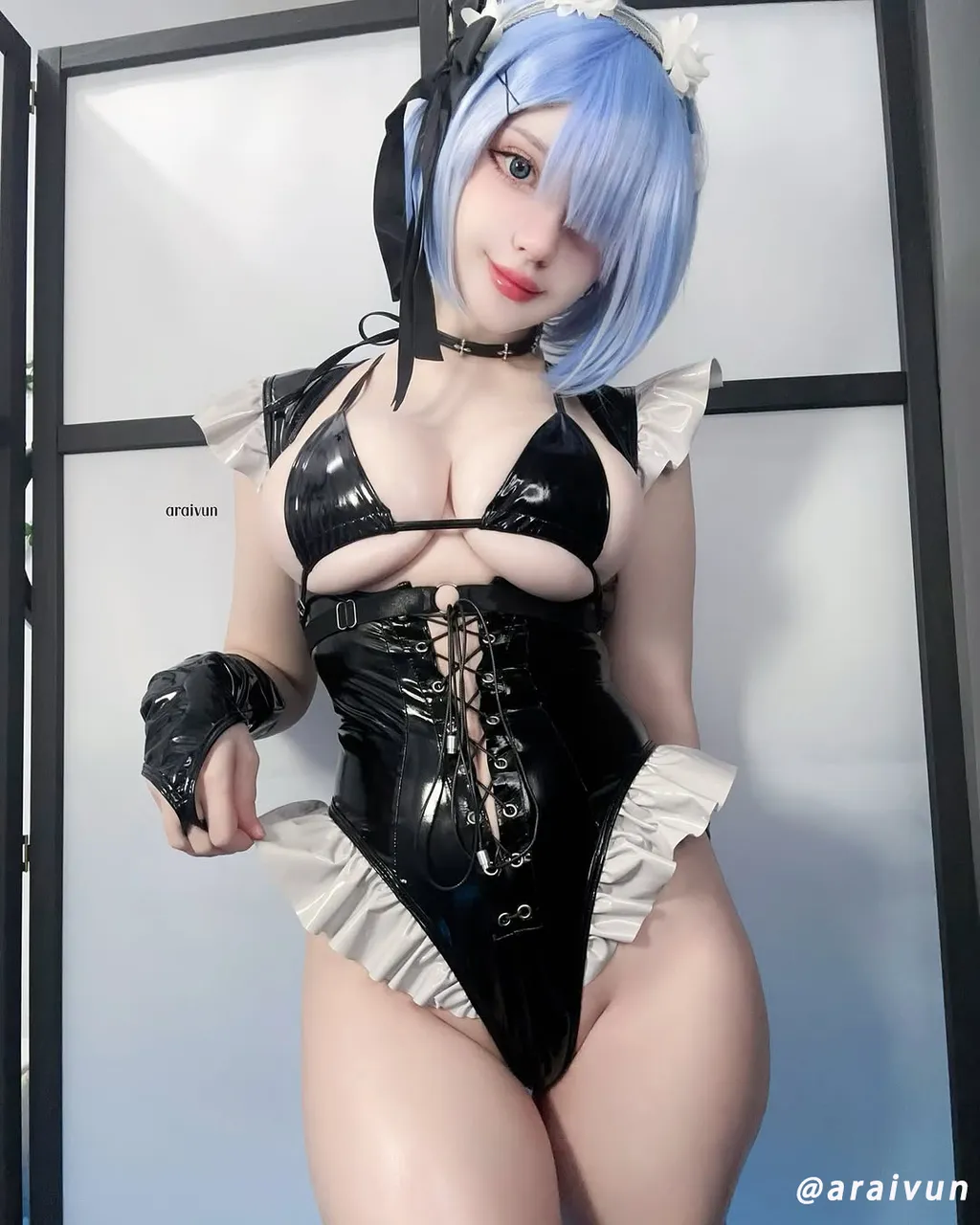
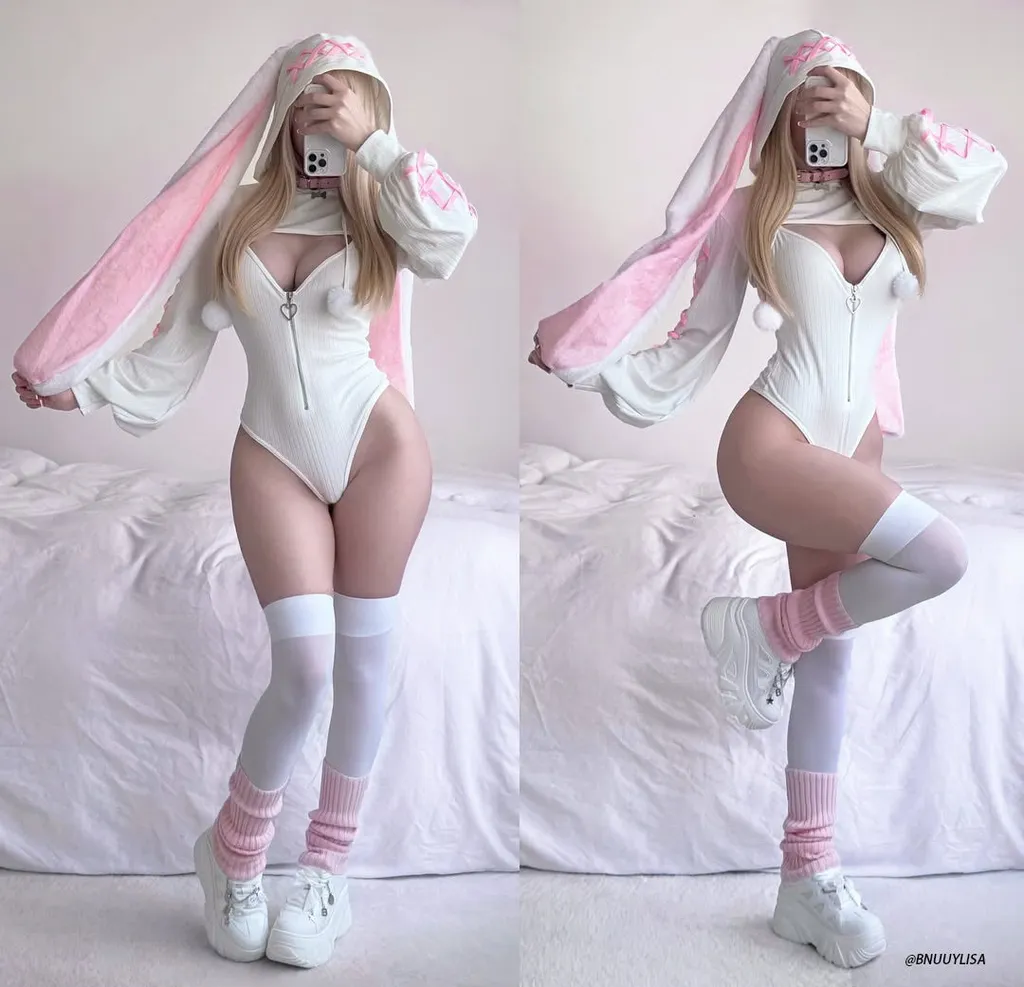
The cosplay maid outfit has crossed 160 years of history without ever losing its silhouette: dark dress, white apron, headband, lace. It’s one of the very few domestic costumes that survived intact from Victorian England to the maid cafés of Tokyo.
Here’s how that mutation happened, and why the costume still carries the same narrative power today as at the origin. We close with the four sub-archetypes you’ll see on convention floors and where to source curated maid pieces inside our own anime cosplay catalog.
Victorian Origins: Function Creates Form (1860-1910)
The modern maid uniform was born in bourgeois and aristocratic English households in the second half of the 19th century. It answered three practical constraints simultaneously.
The White Apron Protects
A maid spends her day in the kitchen, the parlor, the bedrooms. She cleans, serves, carries, dusts. Her uniform takes stains constantly. The white cotton apron, washable at high temperature, gets changed daily without the dress needing to be. It’s the Victorian equivalent of a chef’s apron.
The Black Dress Signals Class
Black is an expensive color to dye in the 19th century. A maid’s black dress signals that the household can afford uniforms — that it has the means. Black becomes a marker of prestige by contrast: the lady of the house wears bright colors, the maid wears black.
The White Lace Headband Identifies Rank
Different laces signal different posts: the chambermaid wears a simple band, the parlor maid a frilled cap, the cook a plain net. It’s a system of visible grades, comparable to military stripes.
Source: The Book of Household Management, Mrs Beeton, 1861. Details in 130 pages the full dress code of the period’s domestic staff.
The Transmission to Japan: Three Successive Waves
The maid archetype reached Japan in stages, over almost a century.
First Wave: Literary Translation (1880-1920)
Meiji-era Japan opens to Western culture. English novels (Dickens, the Bronte sisters, Conan Doyle) are translated en masse between 1880 and 1910. English domestics are described with precision, and the iconography travels through the illustrations bundled with the Japanese editions.
The word 「メイド」 (meido) enters the Japanese language around 1900, designating specifically the Western-style female servant (as opposed to the traditional Japanese 女中 nakorai).
Second Wave: Popular Fiction (1970-2000)
The shojo manga of the 1970s-1980s rediscover the Victorian maid as a narrative setting. The Rose of Versailles (Riyoko Ikeda, 1972), although centered on the French court, popularizes the European 18th-19th century aesthetic. Black Butler (Yana Toboso, 2006) will later bring back the English Victorian household explicitly.
In the 1990s, several galge games and visual novels stage maids as love interests, anchoring the archetype in otaku culture.
Third Wave: The Maid Cafés (2001-Today)
The first authentic maid café opens in Akihabara in March 2001: Cure Maid Cafe, still operating. The concept is simple — a café where the waitresses wear a strict Victorian maid uniform (long skirts, protective aprons, cuffs), greet guests with “okaerinasai goshujinsama” (“welcome home, master”), and serve in a hushed atmosphere.
Success is immediate. Around ten establishments open in the next two years. Cure Maid Cafe gets eclipsed in fame by @home cafe (2004), which pushes the moe further: high voices, childlike gestures, hearts drawn in ketchup on the omurice.
By 2026, Akihabara counts around forty active maid cafés. Most operate on the @home model — few on the original Cure Maid model, which remains more historically faithful.
The Color Code: Why Black and White
The maid black-white isn’t a decorative accident. It encodes three pieces of information simultaneously.
Function (To Serve)
Black-white is the classic Western service uniform: bistro waiters, footmen, governesses. It signals “I’m here to serve, not to be seen”. When a character enters a scene in black-white maid, the viewer immediately knows their social role.
The Master/Servant Boundary
In a Victorian household, the lady wore colors (rose, sea-green, pale yellow). The maid wore the opposite, exactly: black and white. The dress contrast visualized the hierarchy. The starker the contrast, the clearer the position.
The Symbolic Purity of the Apron
The white apron stays white. Stained, it gets washed or changed. This permanent cleanliness becomes a symbol: the maid is pure, unalterable, faithful. That’s what makes the maid-lingerie shift so culturally powerful — the visual transgression subverts a 150-year-old purity code.
The Japanese Moe Aesthetic: The Extra Layer
The Japanese maid isn’t simply a translated Victorian maid. She adds a moe layer (萌え, literally “budding”: the aesthetics of endearing cuteness).
The Visual Moe Elements
- Enlarged eyes in manga and anime — eye-to-face ratio doubled compared to a Western face.
- Oversized frills and lace on cuffs, apron, headband.
- Large bow at the back of the apron (a reinterpretation of the Victorian origin, but practically tripled in size).
- Shortened skirt: the Victorian maid wore long skirts. The moe maid shortens them above the knee to reveal the thigh-highs.
- White or black thigh-highs, sometimes striped.
The Behavioral Moe Elements
- High voice (“kawaii voice”).
- Childlike gestures (hand gestures, hops, quick bows).
- Signature phrases: “okaerinasai goshujinsama”, “moe moe kyun”, drawings in ketchup.
- Avoidance of direct physical contact.
The Contemporary Sub-Archetypes
The maid archetype has branched out. Today, at least four distinct sub-genres exist.
The Classic Maid (Victorian-Pure)
Long black dress to the calf, functional white apron, closed cuffs, lace cap. This is the Cure Maid Cafe version. Rare presence at French convention cosplay — more present in Belgium and the UK.
The Moe Maid (Mainstream)
Skirt above the knee, decorative apron with frills, large bow at the back, thigh-highs. This is the dominant version at European conventions and in contemporary Japan.
The Gothic-Lolita Maid
Crossover of maid + gothic lolita. More black, lace in profusion, headband with ribbon. Dominant in the catalogs of Japanese gothic lolita houses (Innocent World, Atelier Pierrot) and indie scene-known brands like Mikku Co.
The Maid-Lingerie
The transgression of the original code. Very short dress, transparent lace, sometimes a corset bustier in place of the full dress. Born in Europe in the late 2000s, it’s now the dominant sub-genre in French cosplay-lingerie.
How to Wear a Cosplay Maid Outfit Without Falling Into Caricature
Three principles for a maid outfit that reads as cosplay, not a Halloween disguise:
- Pick a sub-archetype and hold it. Don’t mix a gothic cap with a moe apron — it breaks the coherence.
- Work the posture. A well-played maid stands straight, feet parallel, hands clasped in front. The posture is what separates the well-worn costume from the disguise.
- Pick a referential character. Dozens of famous maids exist in anime and games: Mey-Rin from Black Butler, Lilith from The Maid I Hired Recently Is Mysterious (2022), the maid trio in Maoyū Maō Yūsha. Having a specific character in mind avoids the “generic pale maid” effect on the convention floor.
Where to Find a Cosplay Maid Outfit (Curated Pieces)
For the moe and maid-lingerie sub-archetypes, our Korura Club partner page anchors most of the current selection — Korura’s Sakura SS26 drop opens with a maid-bar piece illustrated by the cosplayer NANA: see the Maid Bar Set NANA Collab for a worked example of the moe-bow + apron + thigh-high silhouette, in indie PU leather with XS-3XL sizing. The full maid + adjacent silhouettes (bunny, schoolgirl, lingerie) live in our anime cosplay collection. For the Victorian-pure and gothic-lolita variants, you’ll need to look outside this catalog for now — UWOWO and the Japanese gothic lolita houses listed above are the usual sources.
Why the Archetype Has Held for 160 Years
Three structural reasons:
The Costume Encodes a Clear Social Function
In an era short on immediately legible dress codes, the maid provides one: silhouette + colors = service function. That’s narratively efficient, therefore useful in fiction.
The Master/Servant Contrast Fuels Countless Stories
The asymmetry of power between the one who serves and the one who is served is the bedrock of hundreds of narratives — Jane Eyre, Downton Abbey, Black Butler, Maoyu. The maid is a fertile narrative device.
The Symbolic Purity of White Lends Itself to Transgression
The more the purity code is anchored, the more powerful the subversion. That’s why maid-lingerie works so well as an aesthetic: it violates a culturally loaded code.
The cosplay maid outfit isn’t a passing trend. It’s a stable cultural device since the industrial age, one that reinvents itself with every generation while keeping its three structural elements: black dress, white apron, lace headband. Everything else — skirt length, frill size, posture — is just ornament.